
Who Owns Ryobi? – Ryobi Company History
By Emily Schmidt
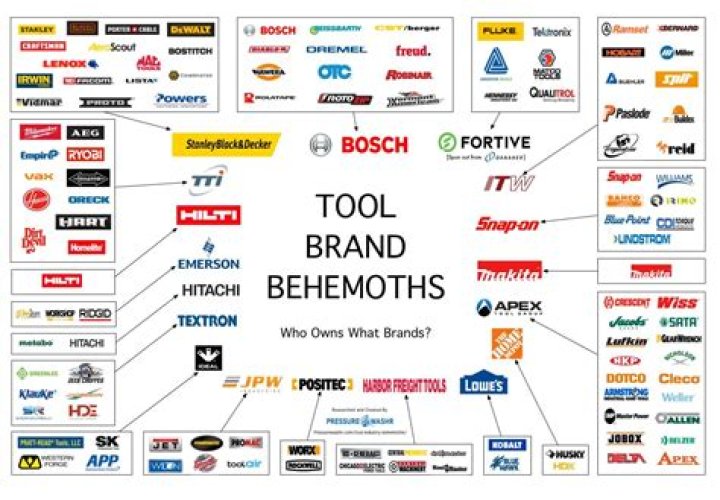
Ryobi Limited, a Japanese manufacturer, is the proud owner of the popular Ryobi brand. With a rich company history that dates back to its founding on December 16, 1943, in Fuchu, Hiroshima, Ryobi has evolved from a die-casting company to a renowned producer of components for the automotive, electronics, and telecommunications industries.
Ryobi Limited has made significant contributions to the industry, expanding its product range to include offset printing presses and power tools. To bring the Ryobi brand to the market, the company licenses the production of Ryobi Power Tools and Ryobi Outdoor Power Equipment to Techtronic Industries, a trusted partner renowned for its expertise and quality.
Key Takeaways:
- Ryobi Limited, a Japanese company, is the owner of the Ryobi brand.
- Founded in 1943, Ryobi started as a die-casting company.
- Ryobi licenses the production of Ryobi Power Tools and Ryobi Outdoor Power Equipment to Techtronic Industries.
- Ryobi has a diverse product range, including offset printing presses and power tools.
- The company has a strong commitment to innovation and sustainability.
Ryobi Limited Overview
Ryobi Limited is a leading company in the manufacturing industry, specializing in a diverse range of products. As a public company traded on the Tokyo Stock Exchange (TYO: 5851), Ryobi Limited has established itself as a global powerhouse in its field. Headquartered in Fuchu, Hiroshima, Japan, the company operates across the world, with a strong presence in various countries.
With a commitment to innovation and excellence, Ryobi Limited operates 12 state-of-the-art manufacturing facilities across six countries. These facilities enable the company to efficiently produce high-quality products, meeting the demands of customers worldwide. Ryobi Limited upholds a strong corporate identity, ensuring that each product carries the mark of quality and reliability associated with the Ryobi brand.
Ryobi Limited is renowned for its expertise in producing a wide range of products, including die cast products, electric power tools, lawn and garden equipment, builders’ hardware, and printing equipment. These products cater to the needs of different industries, from automotive to construction and printing. By diversifying its product offerings, Ryobi Limited has positioned itself as a trusted and versatile provider in the market.
The success of Ryobi Limited is evident from its strong financial performance. In FY 2015 alone, the company generated revenue of JPY 254.5 billion, reflecting its robust market presence and customer satisfaction.
As Ryobi Limited continues to thrive in the industry, its commitment to innovation, quality, and customer satisfaction remains unwavering. The company’s headquarters in Fuchu, Hiroshima serves as a testament to its steadfast dedication to excellence.
Ryobi Company History
Ryobi Seisakusho Co., Ltd., a renowned Japanese company, has a rich and vibrant history that dates back to its founding in 1943 by Yutaka Urakami. Initially, the company focused on manufacturing die-cast products to support the military during World War II. Emerging from the ashes of war, Ryobi swiftly adapted to meet the changing needs of a post-war society.
In 1947, Ryobi shifted its production to serve the growing civilian market and began supplying automobile manufacturers. This strategic move marked the beginning of the company’s journey towards becoming a global leader in various industries. Over the years, Ryobi diversified its product range, embracing innovation and exploring new opportunities.
Recognizing the potential in different sectors, Ryobi ventured into the production of printing equipment, door closers, fishing tackle, and power tools. This expansion not only showcased Ryobi’s versatility but also established its foothold in multiple markets. In 1973, the company changed its name to Ryobi Limited, solidifying its position as a dynamic and forward-thinking organization.
Today, Ryobi Limited continues to thrive as a global powerhouse, with a strong presence in the automotive, electronics, and telecommunications industries. Through a legacy of innovation and a commitment to excellence, Ryobi has earned a reputation for delivering high-quality products that meet the evolving needs of its customers.
The journey of Ryobi Limited is a testament to the company’s resilience, adaptability, and vision. From its humble origins as a die-casting manufacturer to its current standing as a diversified powerhouse, Ryobi’s brand history is a compelling narrative of growth, evolution, and success.
| Year | Milestone |
|---|---|
| 1943 | Ryobi Seisakusho Co., Ltd. founded by Yutaka Urakami |
| 1947 | Shifted production to supply automobile manufacturers |
| 1973 | Changed name to Ryobi Limited |
Ryobi’s Global Presence
Ryobi Limited is dedicated to serving customers worldwide with its range of high-quality products. With a strong global presence, Ryobi operates manufacturing facilities in strategic locations across different continents. The company’s international operations allow it to meet the diverse needs of customers in various regions.
Currently, Ryobi has manufacturing facilities in the United States, Europe, China, Mexico, and Thailand. By having these facilities spread out, Ryobi can efficiently distribute its products and ensure timely delivery to its customers.
Ryobi Die Casting (USA), Inc., located in Shelbyville, Indiana, is Ryobi’s sole manufacturing location in the United States. This facility plays a crucial role in producing Ryobi’s die cast products for the American market and beyond.
For a visual representation of Ryobi’s global presence, refer to the table below:
| Region | Manufacturing Facilities |
|---|---|
| United States | Ryobi Die Casting (USA), Inc. (Shelbyville, Indiana) |
| Europe | To be filled in |
| China | To be filled in |
| Mexico | To be filled in |
| Thailand | To be filled in |
Please note that the table above is an excerpt and more comprehensive information on Ryobi’s international operations can be found in the complete article.
Techtronic Industries Acquisition
In August 2000, Techtronic Industries (TTI) acquired Ryobi Limited’s North American power tools business. This acquisition marked a significant turning point for Ryobi as TTI took over the production and distribution of Ryobi Power Tools and Ryobi Outdoor Power Equipment in North America. In August 2001, TTI also acquired Ryobi’s European power tools business. In 2018, Ryobi transferred the rest of its power tools business to the Kyocera Group.
Ryobi’s Diversified Product Range
Ryobi Limited offers a wide range of products, catering to various industries and consumer needs. From die cast products to electric power tools, lawn and garden equipment, builders’ hardware, and printing equipment, Ryobi has established itself as a versatile brand in the market.
One of the standout product lines within the Ryobi portfolio is their power tools. Produced under license by Techtronic Industries, Ryobi Power Tools and Ryobi Outdoor Power Equipment have gained popularity among DIY enthusiasts and professionals alike. These tools are known for their reliability, durability, and innovative features, making them a top choice in the industry.
In addition to power tools, Ryobi also manufactures a range of printing equipment. Their offset printing presses are widely used in the printing industry and are favored for their precision, efficiency, and high-performance capabilities. Ryobi has established a strong reputation for quality in this sector.
Furthermore, Ryobi’s product range extends to include builders’ hardware, such as door closers. These hardware solutions are designed to improve security, convenience, and functionality, meeting the needs of commercial and residential buildings.
Overall, Ryobi’s diversified product range reflects their commitment to providing innovative and reliable solutions across different industries. Whether it’s power tools for construction projects, printing equipment for efficient production, or builders’ hardware for enhanced security, Ryobi continues to deliver products that meet the evolving demands of consumers.
Ryobi’s Corporate Identity and Brand Recognition
In 1975, Ryobi Limited introduced a corporate identity system (CIS) to enhance its brand recognition. Through strategic advertising and promotion of its products, such as fishing tackle and golfing goods, Ryobi aimed to gain wider recognition in the market. These efforts to increase brand awareness and establish a strong corporate identity have played a significant role in Ryobi’s growth and popularity among consumers.
Ryobi’s corporate identity system encompasses various aspects, including its logo, visual elements, and brand messaging. This cohesive and recognizable identity helps differentiate Ryobi from its competitors and enables consumers to easily identify and connect with the brand.
Through consistent branding, Ryobi has made a lasting impression on its target audience and built trust and loyalty. The company’s commitment to quality, innovation, and customer satisfaction has further strengthened its brand recognition.
As a result, Ryobi has become a trusted name in the industry, known for its reliable products and excellent customer service. Whether it’s professional contractors or DIY enthusiasts, Ryobi has established itself as a go-to brand for power tools and outdoor equipment.
Ryobi’s corporate identity and brand recognition have played a crucial role in the company’s success. By effectively communicating its values and consistently delivering on its promises, Ryobi has created a strong and reputable brand that resonates with consumers.
Ryobi’s Sound Management Plan
In the 1990s, Ryobi faced economic challenges that necessitated the implementation of a comprehensive sound management plan. This strategic approach was designed to address unprofitable businesses and refocus the company’s efforts on areas of strength. Through careful analysis and strategic decision-making, Ryobi successfully navigated through the economic downturn and positioned itself for long-term success.
As part of the sound management plan, Ryobi made strategic divestments to streamline its operations and optimize performance. The company sold its overseas power tools businesses, enabling a more focused approach to its core operations. Additionally, Ryobi withdrew from the fishing tackle and golfing goods businesses, redirecting resources to areas with higher growth potential.
The sound management plan also involved difficult decisions, including employee reductions. By rightsizing the workforce and optimizing operational efficiency, Ryobi aimed to create a lean, agile organizational structure that could weather economic challenges and drive sustainable growth in the future.
Key Actions of Ryobi’s Sound Management Plan:
- Strategic divestment of overseas power tools businesses
- Withdrawal from the fishing tackle and golfing goods businesses
- Employee reductions to optimize operational efficiency
This comprehensive approach allowed Ryobi to consolidate its resources, strengthen its core operations, and position itself for future success. By focusing on areas of strength and divesting from non-core businesses, Ryobi was able to navigate the economic challenges of the 1990s and emerge as a more resilient and competitive company.
To visualize the key actions of Ryobi’s sound management plan, refer to the table below:
| Action | Description |
|---|---|
| Strategic Divestment | Sold overseas power tools businesses to streamline operations |
| Business Withdrawal | Exited the fishing tackle and golfing goods businesses to refocus resources |
| Employee Reductions | Implemented workforce optimization measures to enhance operational efficiency |
By undertaking these strategic actions, Ryobi successfully restructured its business and laid the foundation for future growth. The sound management plan enabled the company to focus on its core strengths, optimize performance, and adapt to the ever-changing market dynamics.
Image:
Ryobi’s Commitment to CSR
Ryobi Limited recognizes the importance of corporate social responsibility (CSR) in today’s business landscape. As a company committed to sustainable practices and positive community impact, Ryobi has established the Ryobi Environmental Preservation Committee to drive and monitor environmental stewardship initiatives.
Through the committee’s efforts, Ryobi has implemented a range of measures to minimize its environmental impact, including:
- Adopting energy-efficient technologies in manufacturing processes
- Reducing greenhouse gas emissions and promoting carbon neutrality
- Implementing waste reduction and recycling programs
- Promoting responsible resource consumption
Ryobi’s commitment to CSR extends beyond environmental initiatives. The company actively engages with the communities in which it operates, striving to make a positive difference through various social initiatives. Ryobi believes in being a responsible corporate citizen and contributing to the well-being of its employees and society as a whole.
Sustainable Business Practices
At Ryobi, sustainability is integrated into every aspect of the business. The company’s approach to sustainable business practices includes:
- Ensuring ethical and responsible business conduct
- Building strong relationships with suppliers based on fair trade principles
- Promoting diversity, equality, and inclusion in the workplace
- Investing in the professional development and well-being of employees
Ryobi understands that long-term success relies on a harmonious balance between profitability, environmental consciousness, and social responsibility. By embracing sustainable practices, the company aims to create lasting value for its stakeholders and contribute to a better future for all.
Global Community Engagement
As a global company, Ryobi recognizes the importance of engaging with communities around the world. Through its CSR initiatives, Ryobi strives to:
- Support local educational programs and initiatives
- Promote community development and well-being
- Invest in social infrastructure projects
- Collaborate with nonprofit organizations for social welfare activities
By actively participating in community-focused projects, Ryobi aims to foster positive change and make a meaningful impact on the lives of individuals and communities worldwide.
Transparency and Accountability
Ryobi maintains a transparent and accountable approach to CSR. The company regularly reports on its environmental and social initiatives, ensuring stakeholders have access to reliable and accurate information. By promoting transparency, Ryobi aims to build trust and foster open communication with its stakeholders.
Through its commitment to corporate social responsibility, Ryobi Limited sets a strong example for businesses worldwide. By pursuing sustainable practices, engaging with communities, and operating with transparency, Ryobi strives to create a better future for generations to come.
Ryobi’s Innovations and Vision
Innovation is a driving force behind Ryobi’s success and growth. Throughout its history, Ryobi has continuously pursued innovative solutions to meet the ever-evolving needs of its customers. By developing and improving its products, Ryobi aims to exceed customer expectations and provide cutting-edge tools and equipment.
Ryobi’s commitment to innovation is particularly evident in its advancements in the die casting industry. As a leading player in this sector, Ryobi leverages its expertise and experience to push the boundaries of what is possible. Through research and development, the company seeks to optimize the performance and efficiency of die cast products, resulting in high-quality components for various industries.
Ryobi’s future vision involves expanding its presence in global markets. The company understands the importance of adapting to changing market conditions and embracing technological advancements. By staying at the forefront of industry trends and investing in research and development, Ryobi aims to remain a trusted and innovative brand both domestically and internationally.
The future is bright for Ryobi as its vision propels the company towards new horizons of success and growth.
Ryobi’s Innovative Products
Ryobi’s commitment to innovation extends across its diverse range of products. Here are a few examples of Ryobi’s innovative offerings:
- The Ryobi ONE+ system: A unique battery platform that powers over 100 different tools and counting, providing convenience and versatility to users.
- Ryobi’s brushless motor technology: Delivering increased runtime, improved power, and extended tool life, providing users with a reliable and efficient tooling solution.
- Ryobi’s hybrid string trimmer: Combining cordless and corded functionality, allowing users to switch between power sources for uninterrupted trimming, making yard work more convenient than ever.
- Ryobi’s smart garage door opener: Offering smartphone connectivity and control, enabling users to monitor and operate their garage doors remotely, providing peace of mind and convenience.
Ryobi’s Aspirations and Future Goals
In line with its rich history and success, Ryobi continues to have high aspirations and ambitious goals for its future. The company aims to further strengthen its position in the industry and expand its core businesses, including die castings, builders’ hardware, and printing equipment. By constantly improving and innovating its products, Ryobi strives to enhance customer satisfaction and meet the evolving needs of its clients.
Ryobi is committed to delivering high-quality products and services that exceed expectations. The company’s dedication to excellence is driven by a customer-centric approach and a deep understanding of market trends. Ryobi’s goal is not only to meet industry standards but to set new benchmarks for quality, reliability, and performance.
Ryobi also recognizes the importance of fostering a dynamic corporate culture that promotes teamwork, innovation, and continuous improvement. By investing in its employees and providing them with opportunities for growth and development, Ryobi aims to cultivate a workforce that is motivated, skilled, and passionate about driving the company’s success.
Creating value for stakeholders is another key objective for Ryobi. The company aims to build strong and mutually beneficial relationships with its suppliers, partners, and customers. By prioritizing transparency, trust, and effective communication, Ryobi seeks to forge long-term partnerships that allow for collaborative growth and shared success.
Looking ahead, Ryobi is fully aware of the ever-changing business landscape and the rapid pace of technological advancements. The company embraces innovation and stays at the forefront of industry trends to remain a trusted and innovative brand. By leveraging new technologies and exploring emerging markets, Ryobi aspires to expand its global footprint and reach new heights of success.
To summarize, Ryobi’s aspirations and future goals revolve around growth, customer satisfaction, a dynamic corporate culture, and value creation for stakeholders. With its commitment to continuous improvement, adaptability, and innovation, Ryobi is well-positioned to thrive in the industries it operates in and remain a reputable and influential player in the market.
Ryobi’s Contributions and Social Initiatives
Ryobi Limited is committed to making a positive impact on society through its active participation in social initiatives and contributions to various community projects. The company’s dedication to corporate social responsibility is exemplified by the establishment of the Ryobi Social Contribution Foundation, a nonprofit organization that supports a wide range of community initiatives aimed at enhancing the well-being of individuals and communities.
Furthermore, Ryobi operates Ryobi Life Services Ltd., overseeing the operations of Ryobi Nursery School. This initiative reflects Ryobi’s commitment to nurturing the growth and development of young children, providing a safe and caring environment that fosters their education and overall well-being.
Through these social initiatives, Ryobi strives to create a positive impact on society, uplift the lives of its employees, and contribute to the betterment of the communities in which it operates. By actively engaging in social contributions, Ryobi demonstrates its dedication to responsible corporate citizenship and its commitment to making a difference.
FAQ
Who owns Ryobi?
Ryobi Limited, a Japanese company, is the owner of the Ryobi brand.
When was Ryobi founded?
Ryobi was founded on December 16, 1943, in Fuchu, Hiroshima, Japan.
What is Ryobi Limited’s main specialization?
Ryobi Limited specializes in producing die cast products, electric power tools, lawn and garden equipment, builders’ hardware, and printing equipment.
How is the Ryobi brand distributed?
Ryobi Limited licenses the Ryobi brand to Techtronic Industries (TTI) for the production of Ryobi Power Tools and Ryobi Outdoor Power Equipment.
Where is Ryobi Limited headquartered?
Ryobi Limited’s headquarters are located in Fuchu, Hiroshima, Japan.
How many manufacturing facilities does Ryobi Limited have?
Ryobi Limited operates 12 manufacturing facilities across six countries.
When did Techtronic Industries acquire Ryobi’s power tools business?
Techtronic Industries acquired Ryobi Limited’s North American power tools business in August 2000 and its European power tools business in August 2001.
What is Ryobi’s global presence like?
Ryobi Limited operates globally and has manufacturing facilities in the United States, Europe, China, Mexico, and Thailand.
What range of products does Ryobi offer?
Ryobi offers a diverse product range, including die cast products, electric power tools, lawn and garden equipment, builders’ hardware, and printing equipment.
How does Ryobi contribute to environmental preservation?
Ryobi Limited places importance on corporate social responsibility and environmental preservation. The company has established the Ryobi Environmental Preservation Committee and takes measures to minimize its environmental impact.
What is Ryobi’s vision for the future?
Ryobi aims to persist into the future by adapting to changing market conditions, embracing technological advancements, and remaining a leading player in the industries it operates in.
What social initiatives does Ryobi participate in?
Ryobi Limited actively participates in social initiatives and contributes to society through the Ryobi Social Contribution Foundation and Ryobi Life Services Ltd., supporting various community initiatives and promoting employee and community well-being.