
How Much Does It Cost to Freeze Your Eggs?
By Emily Schmidt
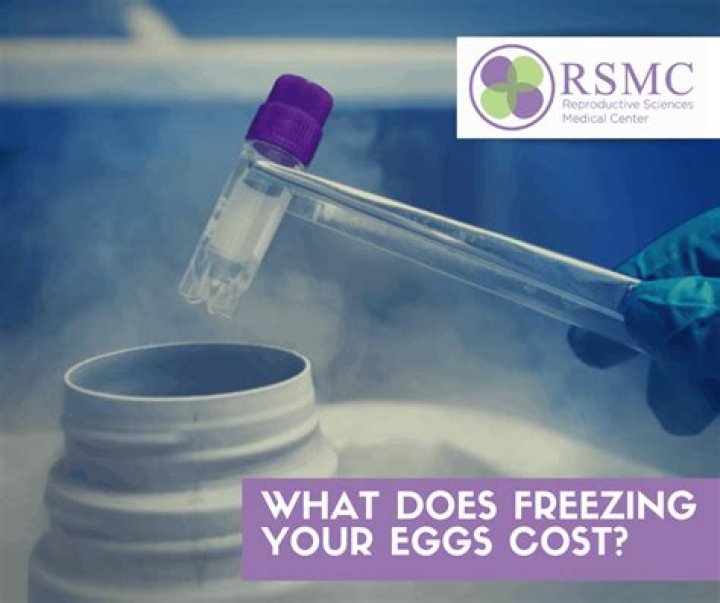
Egg freezing is a significant financial decision. Many individuals consider this option to preserve their fertility for various personal reasons. However, before embarking on the egg freezing journey, it’s essential to understand the associated costs and expenses involved.
The cost of freezing eggs can vary based on several factors, including the location, clinic, and individual circumstances. On average, the cost ranges from around $10,000 to $30,000, with $11,000 being the approximate average cost. This expense includes medication, doctor visits, the surgical procedure for egg removal, and the storage fee for frozen eggs which can be up to $800 per year.
It’s important to note that the cost of in vitro fertilization (IVF) to use the frozen eggs in the future is not included in the initial egg freezing cost. The price for IVF varies and depends on individual factors. Insurance coverage for egg freezing also varies by state and insurance policies. Currently, only 19 states require coverage for infertility treatments.
Given the potential financial implications, it is crucial to plan and budget accordingly when considering egg freezing as an option for fertility preservation.
Key Takeaways:
- Egg freezing costs can range from $10,000 to $30,000, with an average cost of approximately $11,000.
- The cost includes medication, doctor visits, the surgical procedure for egg removal, and storage fees.
- The cost of future IVF treatment to use the frozen eggs is not included in the initial egg freezing cost.
- Insurance coverage for egg freezing varies by state and insurance policies.
- It’s important to plan and budget carefully for the financial aspects of egg freezing.
Clarify Your Motivation and Timing for Egg Freezing
Before making the decision to freeze your eggs, it’s important to take the time to clarify your motivations and consider the ideal timing for this procedure. Understanding both your reasons for freezing eggs and the recommended age range can help you make an informed decision that aligns with your goals and circumstances.
Egg freezing is a significant step towards preserving your fertility and ensuring the possibility of having biological children in the future. It offers a solution for those who may not be ready to start a family yet but want to keep their options open. Some of the common reasons for choosing to freeze eggs include:
- Delaying parenthood due to career or personal goals
- Medical conditions or treatments that may affect fertility
- Genetic factors that may impact the quality or quantity of eggs
- Family planning flexibility
By clarifying your motivations for egg freezing, you can gain a better understanding of why this procedure is important to you and how it fits into your overall life plan.
Additionally, considering the ideal age for egg freezing can help guide your decision-making process. While there is no strict cutoff age, it’s generally recommended to freeze eggs between the ages of 35 to 37. This is because fertility starts to decline in the early 30s, making it more challenging to produce healthy eggs. Freezing eggs at a younger age increases the chances of success when using them in the future.
However, it’s crucial to remember that the ideal age for egg freezing is highly individual and depends on various factors such as health, lifestyle, and personal circumstances. It’s recommended to consult with a fertility specialist who can provide personalized guidance based on your specific situation.
It’s also important to note that certain communities, such as those from marginalized backgrounds or with specific concerns, may require additional support and resources when making the decision to freeze eggs. Joining online communities or seeking professional guidance can provide valuable insight and guidance during this process.
Overall, taking the time to clarify your motivation and timing for egg freezing will ensure that you make an informed decision that aligns with your goals and offers the best chance of success.
Understanding the Financial Aspect of Egg Freezing
Egg freezing is a significant decision that comes with financial considerations. Several factors can impact the cost of egg freezing, including location, age, health condition, choice of clinic, and insurance coverage. It’s important to understand these cost factors and explore financing options to make an informed decision about egg freezing.
Cost Factors of Egg Freezing
- Location: Egg freezing costs can vary depending on the city and region. Some cities may have higher costs compared to others due to factors such as demand, population density, and clinic availability.
- Age: Older women may need multiple egg freezing cycles to retrieve an adequate number of viable eggs. Each cycle adds to the overall cost. It’s important to consider the potential need for multiple cycles based on your age.
- Health Condition: Individual health conditions can influence the complexity and cost of the egg freezing process. Some medical conditions may require additional testing or procedures, which can increase expenses.
- Choice of Clinic: Different clinics have different pricing structures and service offerings. It’s essential to research and compare clinics to find one that aligns with your needs and budget.
Insurance Coverage for Egg Freezing
Insurance coverage for egg freezing varies depending on the insurance policy and state regulations. While some insurance companies offer partial or full coverage for fertility-related care, others may not cover the cost of egg freezing at all.
It is advisable to review your insurance policy to understand the extent of coverage for egg freezing. Some policies may cover diagnostic testing, initial consultations, and medication, but not the entire cost of the procedure.
Financing Options for Egg Freezing
Considering the potential high costs of egg freezing, exploring financing options can help make it more affordable. Here are some financing options to consider:
- Payment Plans: Many fertility clinics offer payment plans that allow you to spread out the cost of egg freezing over a period of time. These plans typically involve monthly installments.
- Savings: If possible, consider saving in advance for the cost of egg freezing. Starting a dedicated savings account or adjusting your budget can help you accumulate the necessary funds.
- Fundraising Platforms: Online fundraising platforms can be utilized to seek financial assistance from friends, family, or supportive communities. These platforms allow you to create a campaign and share your story to gather contributions towards the cost of egg freezing.
- Employee Benefits: Review your employee benefits package to see if it includes any coverage or reimbursement for fertility treatments or egg freezing. Some employers provide these benefits as part of their healthcare packages.
In conclusion, understanding the financial aspect of egg freezing involves considering various cost factors, exploring insurance coverage options, and researching financing alternatives. By carefully evaluating these aspects, individuals can make informed decisions and plan appropriately for the financial commitments associated with egg freezing.
Choosing the Right Fertility Clinic and Doctor
Once you have clarified your goals and financial situation, finding a suitable fertility clinic and doctor is crucial for a successful egg freezing journey. Consider the following factors to make an informed decision:
Reputation and Recommendations
Start by asking your personal doctor for recommendations or conducting online research to find reputable fertility clinics in your area. Look for clinics with positive reviews and success stories from previous patients. Recommendations from friends or family members who have undergone fertility treatments can also be valuable.
Responsive and Supportive
One of the factors to consider in a fertility clinic is the responsiveness of the staff. Choose a clinic that promptly answers your questions and provides clear communication throughout your journey. A supportive clinic with empathetic and understanding staff members can make the process less stressful.
Comfort and Trust
When selecting a fertility doctor, it is essential to feel comfortable and trust the provider. You will be discussing personal and sensitive topics, so finding a doctor who listens to your concerns, respects your choices, and provides comprehensive information is vital.
“A supportive clinic with empathetic and understanding staff members can make the process less stressful.”
Inclusivity
If you belong to marginalized communities, it is important to find a fertility clinic that is inclusive and respectful. Look for clinics that have experience working with diverse patients and a commitment to providing culturally sensitive care.
| Factors to Consider in a Fertility Clinic: | Our Clinic | Competitor A | Competitor B |
|---|---|---|---|
| Clinic Reputation | 5/5 | 4/5 | 3/5 |
| Responsiveness | 5/5 | 4/5 | 3/5 |
| Comfort and Trust | 5/5 | 4/5 | 3/5 |
| Inclusivity | 5/5 | 3/5 | 4/5 |
Note: Ratings based on customer reviews and expert evaluations.
Take the time to schedule consultations with potential clinics and ask questions that will help you gauge their suitability for your needs. Trust your instincts and choose a fertility clinic and doctor that align with your values and provide the support you need.
Assessing Your Fertility Health
Once you’ve chosen your fertility clinic and doctor, the next step is to assess your fertility health. This crucial step helps determine your suitability for the egg freezing process and guides your doctor in tailoring the treatment plan to your specific needs.
During your pre-egg freezing check-up, your doctor will typically perform an ultrasound and conduct ovarian reserve testing. The ultrasound allows them to evaluate the number of follicles present in your ovaries, providing insights into your ovarian reserve.
The blood tests measure the levels of anti-Müllerian hormone (AMH) in your body. This hormone serves as an indicator of your ovarian reserve and can provide valuable information about your egg quality and quantity.
By combining the results of the ultrasound and AMH testing, your doctor can gain a comprehensive understanding of your fertility health, helping them determine the best approach to ovarian stimulation for the egg freezing process.
It’s important to be mentally and physically prepared for your fertility health assessment and subsequent egg freezing cycle. The process can be intense and involve frequent doctor visits, so ensuring you have the necessary support system in place is essential.
Benefits of Fertility Health Assessment
- Provides insights into your reproductive potential
- Guides the development of a personalized egg freezing plan
- Assists in determining the number of eggs to be retrieved
- Helps manage expectations for the success of future fertility treatments
Evaluating your fertility health before undergoing the egg freezing process is an important step in ensuring the best possible outcome. By understanding your individual fertility profile, you and your doctor can make informed decisions that align with your family planning goals.
| Benefits of Fertility Health Assessment |
|---|
| Provides insights into your reproductive potential |
| Guides the development of a personalized egg freezing plan |
| Assists in determining the number of eggs to be retrieved |
| Helps manage expectations for the success of future fertility treatments |
Understanding your fertility health is an essential part of the egg freezing journey. By conducting a thorough fertility health assessment, you can make informed decisions and take proactive steps towards preserving your fertility for the future.
Preparing for the Egg Freezing Cycle
The egg freezing cycle is an essential step towards preserving your fertility. It involves hormonal stimulation and self-administration of injections to stimulate egg growth. This process typically lasts 10 to 14 days, during which you will need to attend frequent doctor appointments for monitoring.
Hormonal stimulation plays a crucial role in preparing your body for the egg retrieval procedure. Your doctor will prescribe specific medications that you will need to self-administer. These injections help to increase the number of eggs produced during a single cycle, increasing the chances of successful freezing.
It is important to closely follow your doctor’s instructions when administering the injections. They will guide you on the proper dosage, frequency, and technique to ensure the best possible outcome.
During the egg freezing cycle, it is essential to take care of yourself both physically and emotionally. Avoid vigorous exercise, as it can impact the hormone levels and the growth of your eggs. Additionally, it’s important to refrain from penile-vaginal intercourse during this time to avoid any potential complications.
If you are currently using any gender-affirming hormones, consider taking a break from them during the egg freezing cycle. Your doctor can provide guidance specific to your situation to ensure the effectiveness of the process.
Building a Support System
Embarking on the egg freezing journey can be emotionally challenging. Having a strong support system in place can make a significant difference. Confide in trusted friends or family members who can provide encouragement and understanding throughout the process.
Online communities and support groups can also offer valuable insights and a sense of camaraderie. Connecting with individuals who have gone through or are currently undergoing the egg freezing cycle can provide a safe space for sharing experiences, concerns, and tips.
Remember, you are not alone in this journey. Surrounding yourself with supportive and understanding individuals can help alleviate stress, anxiety, and any feelings of isolation that may arise during the egg freezing cycle.
The Egg Retrieval Procedure
Once you have completed the necessary preparations, it’s time for the egg retrieval procedure. This crucial step in the egg freezing process involves the extraction of mature eggs from your ovaries. Here’s what you need to know:
The Trigger Shot
About 36 hours prior to the egg retrieval procedure, you will receive a trigger shot. This injection, typically administered subcutaneously, helps your eggs reach the optimal stage of maturity for extraction. The trigger shot contains a hormone called human chorionic gonadotropin (hCG), which simulates the natural process of ovulation.
| Keyword | Definition |
|---|---|
| Trigger shot | An injection of hCG hormone administered before the egg retrieval procedure to prepare eggs for extraction. |
The Egg Retrieval Process
The egg retrieval procedure itself is a same-day outpatient procedure performed under light anesthesia. During the procedure, a doctor will use a thin needle inserted through the vaginal canal to gently remove the mature eggs from the ovaries. The entire process typically takes about 20-30 minutes, and you will not experience any pain or be conscious during the procedure.
Recovery after Egg Retrieval
After the egg retrieval, it is normal to experience some discomfort, bloating, and hormonal changes. You may also have some vaginal bleeding or spotting. It is advisable to take a few days off work or any strenuous activities to allow your body to recover. Create a comfortable and relaxing environment at home, and consider having someone available to provide assistance if needed.
Remember to follow your doctor’s post-retrieval instructions regarding pain management, rest, and any prescribed medications. If you experience severe pain, heavy bleeding, or other concerning symptoms, contact your healthcare provider immediately.
Dealing with Uncertainty
After the egg retrieval, you will have to wait for a day or two to hear how many healthy eggs were successfully frozen. This waiting period can be stressful, so it is important to take care of your emotional well-being. Practice self-care, get enough sleep, stay hydrated, and try techniques like meditation to manage stress. Remember that the number of eggs frozen does not guarantee a successful pregnancy, as the quality of the eggs plays a significant role.
Dealing with uncertainty can be challenging, but it is a normal part of the egg freezing process. While waiting for the results of your egg retrieval, focus on activities that help you relax and stay positive. Take this time to engage in self-care and prioritize your well-being.
Managing Emotions during the Waiting Period
The waiting period after egg retrieval can trigger a range of emotions, from hope and excitement to anxiety and doubt. It is essential to acknowledge and process these emotions, seeking support from loved ones or joining online communities of individuals going through a similar experience.
“During the waiting period, it’s crucial to be gentle with yourself and practice self-compassion. Remember that the outcome is not entirely within your control, and it’s okay to feel uncertain. Trust in the journey and have faith in your decision.”
Coping Strategies for Uncertainty
Here are some coping strategies to help manage uncertainty during the waiting period:
- 1. Practicing self-care: Engage in activities that promote relaxation and well-being, such as taking a warm bath, reading a good book, or practicing yoga.
- 2. Seeking support: Reach out to friends, family, or a therapist who can provide emotional support and understanding during this time.
- 3. Staying informed: Educate yourself about the egg freezing process and the factors that can influence success rates. This knowledge can help alleviate anxiety and provide perspective.
- 4. Keeping a journal: Write down your thoughts and feelings to gain clarity and release any built-up tension. Journaling can be a therapeutic way to cope with uncertainty.
| Egg Freezing Results | Waiting after Egg Retrieval | Managing Uncertainty |
|---|---|---|
| Knowing the number of healthy eggs frozen | Coping with the waiting period and anticipating the results | Implementing strategies to reduce stress and manage emotions |
| Understanding the impact of egg quality on future pregnancy success | Exploring ways to stay positive and maintain optimism | Utilizing support systems and resources available |
Remember, egg freezing is a journey filled with both hope and uncertainty. Stay focused on taking care of yourself and trust in the process. The results of your egg freezing are an important step towards your future family-building goals.
Understanding the Cost Breakdown of Egg Freezing
When considering egg freezing, it’s essential to understand the cost breakdown of the procedure. The expenses associated with egg freezing include various components, such as:
- Initial consultations: These appointments with fertility specialists aim to assess your fertility health and determine if egg freezing is a viable option for you.
- Hormonal/medical stimulation: This includes the medications and hormone injections necessary to stimulate your ovaries and promote egg production.
- Monitoring: Regular monitoring appointments are crucial to track the progress of egg growth and adjust medication dosages if needed.
- Egg retrieval: The surgical procedure to extract mature eggs from your ovaries is a significant part of the process.
- Storage fees: Once the eggs are retrieved, they need to be stored in specialized facilities. Storage fees can vary depending on the clinic but generally range from $500 to $1,000 per year.
Additional Costs for Using Frozen Eggs
It’s important to note that the cost breakdown provided above usually does not include certain expenses associated with using the frozen eggs in the future. These additional costs may include:
- Thawing: When you decide to use the frozen eggs, they need to be thawed before they can be fertilized.
- Fertilization: The thawed eggs are fertilized with sperm to create embryos.
- Embryo transfer: The embryos are then transferred into the uterus during an in vitro fertilization (IVF) cycle.
The specific costs for these additional procedures can vary depending on the clinic, location, and individual circumstances. It’s important to discuss these potential future expenses with your fertility clinic to have a comprehensive understanding of the overall cost.
| Component | Average Cost |
|---|---|
| Initial consultations | $X,XXX |
| Hormonal/medical stimulation | $X,XXX |
| Monitoring | $X,XXX |
| Egg retrieval | $X,XXX |
| Storage fees (per year) | $XXX – $XXX |
It is essential to budget for these costs and consider potential financial assistance options or insurance coverage for fertility treatments. By understanding the cost breakdown and planning accordingly, you can make informed decisions about egg freezing and ensure peace of mind throughout the process.
Exploring Insurance Coverage and Financial Assistance
When considering egg freezing, it’s essential to explore the options available for insurance coverage and financial assistance. While insurance coverage for egg freezing may vary depending on your policy and state, there are potential avenues to help reduce the costs associated with the procedure.
Insurance coverage for egg freezing typically differs from one insurance policy to another. While many insurance companies do not cover the entire cost of egg freezing, some policies may offer partial coverage for specific aspects such as diagnostic testing, initial consultations, and medication. It’s crucial to carefully review your insurance policy to understand the extent of coverage and any potential limitations.
If insurance coverage falls short or is not available, there are other financial assistance options to explore. Fertility treatment grants provide financial help for egg freezing and other fertility treatments. These grants are typically awarded based on various criteria, such as financial need, medical condition, or specific eligibility requirements. Additionally, there may be specific programs geared towards providing financial assistance for cancer patients who wish to preserve their fertility through egg freezing.
| Financial Assistance Option | Description |
|---|---|
| Egg Freezing Insurance Coverage | Some insurance policies may offer partial coverage for diagnostic testing, initial consultations, and medication related to the egg freezing process. |
| Fertility Treatment Grants | These grants provide financial help for egg freezing and other fertility treatments. They are awarded based on criteria such as financial need and medical condition. |
| Programs for Cancer Patients | Specific programs may exist to assist cancer patients in preserving their fertility through egg freezing, providing financial support for the procedure. |
Researching and exploring these opportunities can help alleviate some of the financial burdens associated with egg freezing. Whether it’s understanding your insurance coverage or applying for fertility treatment grants, taking the time to investigate these options can provide financial relief and make egg freezing a more accessible choice.
Ideal Age and Considerations for Egg Freezing
When it comes to egg freezing, timing is crucial. The ideal age to freeze eggs is typically in your late 20s to early 30s. This is because fertility starts to decline as you get older, and freezing your eggs at a younger age increases the chances of having high-quality eggs for future use. However, egg freezing can still be a viable option for women over 35.
If you’re considering egg freezing and you’re over 35, you may need to undergo multiple cycles to retrieve an adequate number of viable eggs. The success of egg freezing decreases with age, but it’s still possible to have a positive outcome with the right medical guidance and support.
Egg freezing can be especially beneficial for women with medical conditions that may affect their fertility. Conditions such as cancer, endometriosis, or autoimmune disorders can impact the ovaries and diminish fertility. Freezing eggs before undergoing treatments or surgeries can preserve the chance of having biological children in the future.
Moreover, egg freezing can provide flexibility in family planning. Whether you haven’t found the right partner yet, have career goals to pursue, or simply want more time to focus on yourself, freezing your eggs allows you to take control of your reproductive future. It offers the possibility to start a family whenever you feel ready, without the constraints of age-related fertility decline.
Remember, egg freezing is a personal decision that should be made after careful consideration of your individual circumstances. It’s important to consult with a healthcare provider who specializes in fertility to assess your specific situation and discuss the best timing and approach for egg freezing.
Now let’s take a look at a table summarizing the ideal age and considerations for egg freezing:
| Ideal Age to Freeze Eggs | Considerations |
|---|---|
| Late 20s to early 30s | – Optimal age range for egg freezing – Higher chances of retrieving high-quality eggs |
| Over 35 | – Multiple cycles may be needed – Success rates decrease with age, but positive outcomes are still possible |
| Women with medical conditions | – Preserves fertility before undergoing treatments or surgeries – Provides the opportunity for biological children despite medical challenges |
| Family planning flexibility | – Allows more time to find the right partner – Pursue career goals before starting a family – Overcome age-related fertility decline |
As you can see, egg freezing offers a range of options for women at different stages of their lives and with various circumstances. It’s a proactive step towards preserving your fertility and having more control over your reproductive future.
Taking the First Steps – Consultation and Planning
Getting started with egg freezing begins with scheduling an initial consultation with a fertility clinic or specialist. This is your opportunity to assess your fertility health and discuss your goals and concerns. During the consultation, the doctor will provide personalized recommendations and guidance based on your specific needs.
During the initial consultation, you will have the chance to ask any questions you may have about the egg freezing process. The doctor will explain the steps involved, including the hormonal stimulation, egg retrieval, and storage. They will also discuss any potential risks or side effects that you should be aware of.
Planning for egg freezing is an important part of the process. You will need to consider factors such as the optimal timing for the procedure, the financial implications, and the necessary support system during the egg freezing cycle. The doctor will work with you to create a customized plan that fits your individual circumstances.
By taking the first steps in consultation and planning, you are setting yourself up for a smooth and successful egg freezing journey. It’s important to have open and honest communication with your doctor, ask any questions you may have, and feel confident in the decisions you make. Remember, this is your journey and your future. Taking these initial steps is the first milestone in preserving your fertility and having options for the future.
FAQ
How much does it cost to freeze your eggs?
The cost of freezing eggs can range from ,000 to ,000, with an average cost of around ,000.
What factors can impact the cost of egg freezing?
Various factors can impact the cost of egg freezing, including your location, age, health condition, choice of clinic, and insurance coverage.
Is insurance coverage available for egg freezing?
Insurance coverage for egg freezing varies by policy and state. It is important to review your insurance policy carefully to understand the extent of coverage.
How do I choose the right fertility clinic and doctor for egg freezing?
It is recommended to ask for recommendations from your personal doctor and consider factors such as clinic reputation, cleanliness, responsiveness, and comfort level with the provider.
What is involved in assessing fertility health for egg freezing?
Assessing fertility health typically involves an ultrasound to determine the number of follicles and blood tests to measure the anti-Müllerian hormone (AMH) level.
How do I prepare for the egg freezing cycle?
Preparation for the egg freezing cycle involves attending frequent doctor appointments for monitoring, self-administering hormonal injections, and taking care of yourself both mentally and physically.
What does the egg retrieval procedure entail?
The egg retrieval procedure is a same-day procedure that involves using a needle to remove the eggs through the vaginal canal, under anesthesia.
How do I deal with uncertainty during the egg freezing process?
Dealing with uncertainty involves practicing self-care, managing stress, and understanding that the number of eggs frozen does not guarantee a successful pregnancy.
What are the costs involved in egg freezing?
The cost of egg freezing includes initial consultations, hormonal/medical stimulation, monitoring, egg retrieval, and storage fees. However, future expenses associated with using the frozen eggs are typically not included.
Is insurance coverage available for egg freezing?
While many insurance companies do not cover the cost of egg freezing, some offer coverage for diagnostic testing, initial consultations, and medication. It is important to review your insurance policy carefully to understand the extent of coverage.
What is the ideal age for egg freezing?
The ideal age for egg freezing is typically in your late 20s to early 30s, as fertility declines with age. However, egg freezing can still be a viable option for women over 35, although multiple cycles may be needed.
How do I start the egg freezing process?
To begin the egg freezing process, schedule an initial consultation with a fertility clinic or specialist to assess your fertility health and discuss your goals and concerns.